Friday, November 20, 2015

France: Versailles and Chartes

This has been a travel-filled year and, true to form, I'm way behind on blog posts.  Having just rambled down memory lane to write about Paris, though, I thought I'd post some photos from the rest of that trip to France in August 2010.


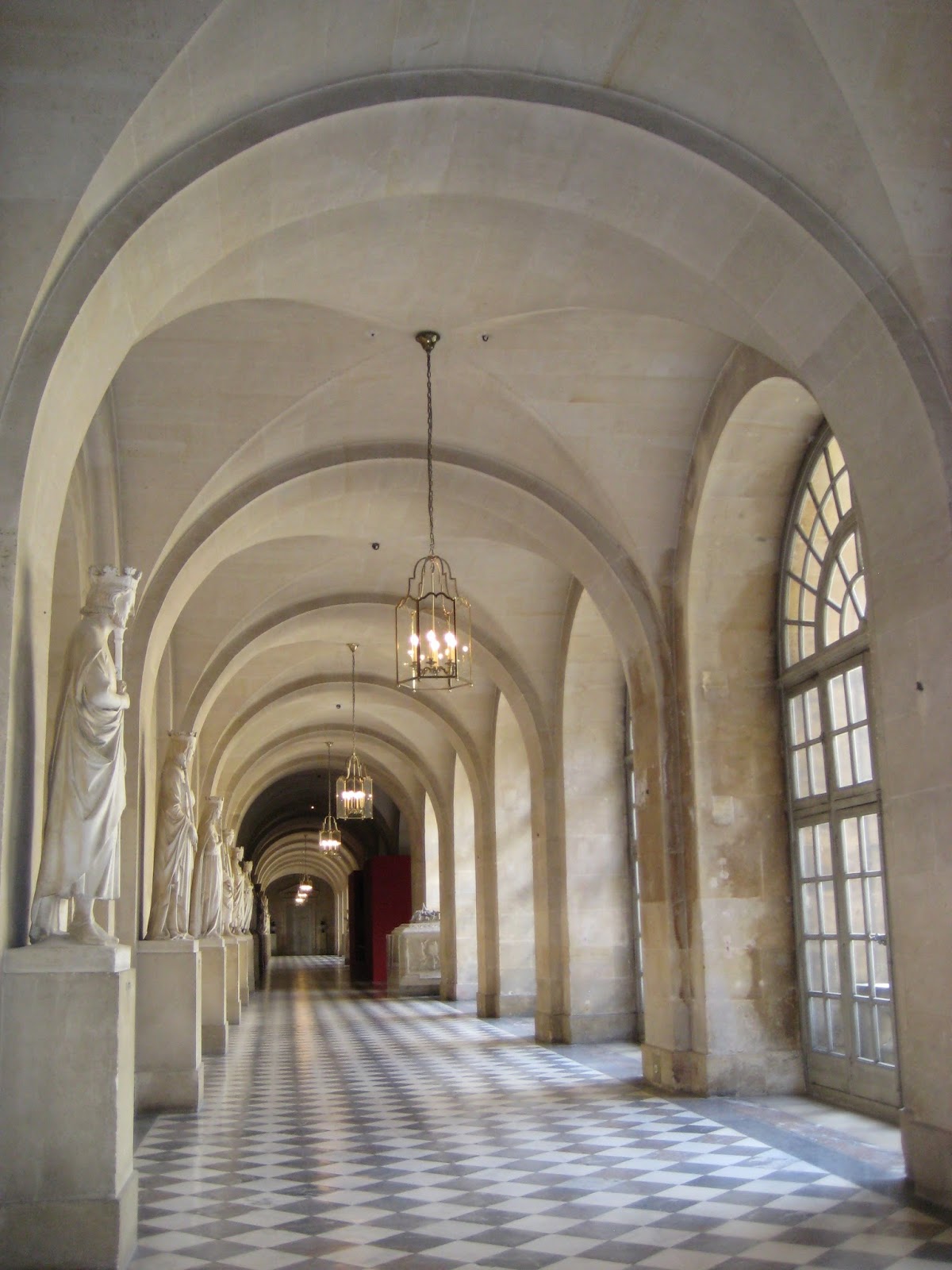
From Paris, we took the train to Versailles to see the palace in all of its gilded glory.  Sarah's friend Aureline met us for a picnic in the gardens before exploring inside the palace.  We spent the night at Aureline's parents' beautiful converted farmhouse near Chartes.  Chartes is best known for its Gothic cathedral, which boasts two contrasting spires and stained glass windows dating back to the 13th century.  The cathedral is remarkably well-preserved given that it has stood through the French Revolution and two World Wars!


Monday, November 16, 2015

France: Paris

A tribute post to Paris in the aftermath of this weekend's terrorist attacks


"Peace for Paris" by Jean Jullien


Shanghai lit in solidarity, in the colors of liberté, égalité, and fraternité


When I lived in Cambridge, all of continental Europe lay right across the Channel, ripe for exploring.  At that time, though, my sights were set east, to my boyfriend/fiancé/husband (same guy, different time points) in Asia, and west, to my family in the US.  Only rarely to the beckoning, not-so-distant shores.


Paris was close -- a mere two hours from London St Pancras to Paris Nord on the Eurostar.  In August 2010 (over 5 years ago!), my friend Sarah and I planned a "romantic" weekend getaway for her birthday.  B. swooped in from Hong Kong at the last minute and crashed our trip.  


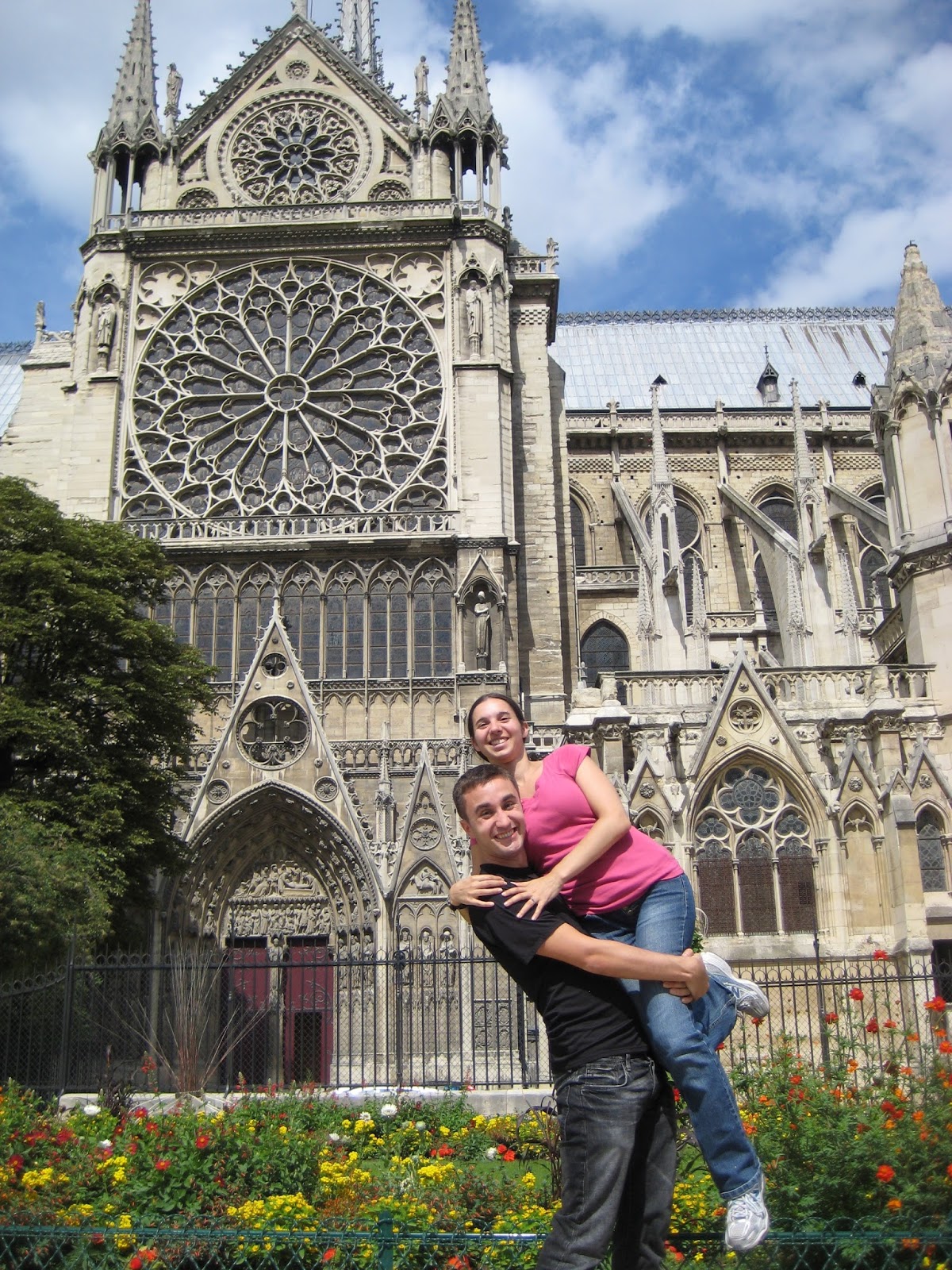
Notre Dame


A Parisian labmate, Julien, met us at the train station and showed us around his home turf.  While it was my first trip to Paris, the others had already been there and done that.  We compromised with a mixture of tourist attractions (Notre Dame, the Louvre), wanderings through everyday life, and as much delicious food as we could handle.


Inside the Louvre


obligatory, if blurry and poorly composed, Eiffel Tower photo


Some places can be traversed in a few days and "checked off", if you will.  Paris is not one of them.  Paris is an endless experience and an attitude.  We'll be back... someday.


Wednesday, September 9, 2015

Nepal: Sunrise from Sarangkot

This is a post about beautiful sunrises and small worlds.

"Sarangkot?  I take you to Sarangkot?" called the taxi drivers each morning, greeting us as jetlag roused us from our beds and sent us out to explore the dark, quiet pre-sunrise streets of Pokhara.  Sarangkot, a village of 5,000 on a mountainside ridge, is famous for its panoramic view of Himalayan peaks.  On day three, after a quick negotiation, we took them up on the offer.


Pokhara valley at dawn, waiting for sunrise


At Sarangkot village proper, people crowd together on roofs to watch the majestic interplay of stone and water and light. Fortuitously, we never made it that far.  Having set out slightly late, our taxi driver pointed us up a set of stone steps, to a grassy outcropping below the town.  Same view; fewer people.


Shades and layers of the new sunrise


The earth rotated.  The sun rose.

The mountain tops, standing far above the darkened valley, were picked out by the sun and painted in golden hues.


And then the valley too was basked in light.  The morning mists began to rise, slowly obscuring the giants behind a curtain of white.


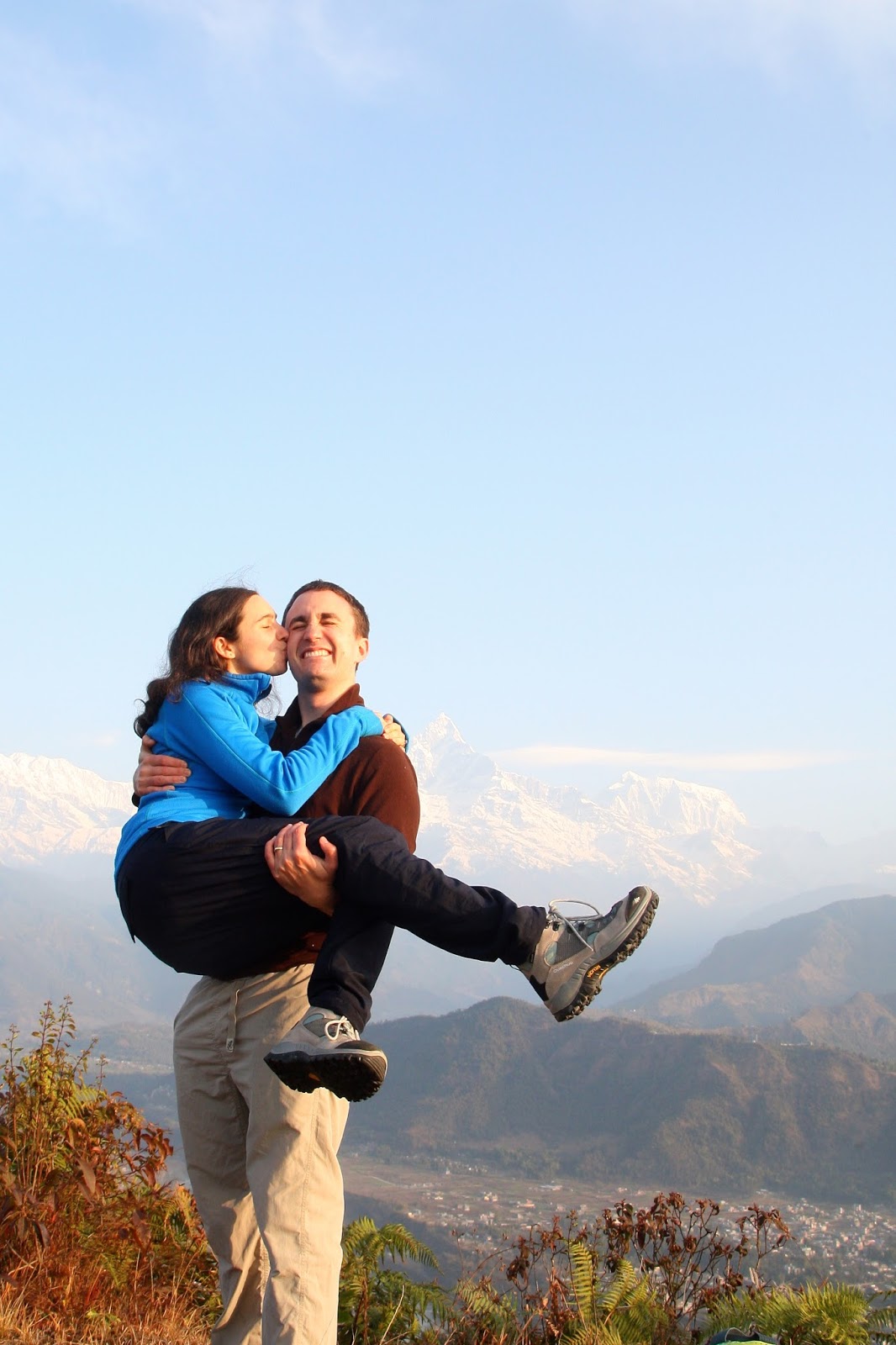
The other people on this little overlook, watching the sun rise over the Himalayas, happened to be a Chinese group on a photo tour.  We helped them take a group photo (many group photos -- every person wanted one with their own camera), entertained the usual range of questions as Chinese-speaking foreigners, and then asked one of them to take a few photos of us.  The whole group joined in, paparazzi-style, directing us to pose and kiss and jump.


Saturday, August 8, 2015

Nepal: Parahawking!

There's one adventure sport that you can do in Pokhara, and nowhere else in the world: parahawking.

Which is to say, paragliding with a trained hawk (actually Egyptian vulture, but "paravulturing" doesn't sound quite as good).  Literally soaring with the birds.  It's precisely as awesome as it sounds.


How did parahawking come to be?  About 15 years ago, a British graphic designer named Scott Mason, languishing in his London office, longed for something more. Through a series of strange events, he landed in Nepal and started a paragliding business. He was also an avid falconer and bird trainer. And so The Parahawking Project was born. The hawks' reward for their service is chunks of raw buffalo, which they eat out of your hand (or glove, since they could rip your hand off) as you gently ride the thermals, floating over the stunning Pokhara Valley, surrounded by the snow-capped Himalayas.  The birds (Bob and Kevin) are rescues who, having imprinted on humans, are unable to be returned to the wild.  While "our" bird seemed plenty big, we also saw several wild griffon vultures cruising around, whose wingspan compared favorably to the size of our paragliders.


Kevin


Bob.  He was a very chill bird in the car ride up.


The Parahawking Project is part adventure sport, part conservation and education effort.  As scavengers, vultures play a vital role in our ecosystem.  Without them, dead animal corpses rot, contaminating drinking water, and populations of other scavengers like rats and feral dogs explode, spreading diseases such as rabies, anthrax, and plague to humans.  And yet, the vulture populations of Asia have been decimated by the use of a drug called diclofenac, an anti-inflammatory used to alleviate the pain and suffering of dying livestock.  The vultures are unable to process the drug; they die within 24 hours of eating from the carcasses of treated animals.  The impact of the vulture crisis are particularly stark in India, with its huge human population, over 99% decrease in vulture population, and sanctification of cows.  The resulting public health crisis has cost billions of dollars to date.  While the veterinary version of diclofenac has been banned, the human version is still widely and cheaply available.  For a fuller description of the epidemic, see here and here.


The Parahawking Project participates in the Himalayan Raptor Rescue project, which rescues, rehabilitates, and returns many birds to the wild each year.  Mason also helped establish the Ghochowk Vulture Restaurant, a safe vulture feeding site near Pokhara.


Thursday, July 9, 2015

Nepal: Pokhara III

As we descended from the Peace Pagoda, we found ourselves in Pokhara proper, away from the tourist haven of Lakeside and amongst everyday Nepali life. There, we stumbled across the entrances to Devi's Falls and the Gupteshwor Mahadev Cave.  Both were worth visiting in passing, I think, but wouldn't have been worth a trip of their own.


The name of Devi's Falls comes from a story about a Swiss tourist named David (or Daniel) (and/or his girlfriend/wife Devi, or Mrs. Devi) who tumbled down a sinkhole and died (or not).  The accident led to the discovery of the falls, which plummet 100 feet below ground into a cave.  The true details of the story have been been lost to the mists of time and the garbling of the internet.   The waters continue to fall.


The base of Devi's Falls can be seen in Gupteshwor Mahadev Cave, which is also known for a huge stalagmite venerated as a Shiva lingam.  Musty passageways lead deeper and deeper into the cave, and eventually open into a large cavern.  There, the waterfall, lit by sunlight filtering in from above and framed by the dark inner cavern walls, confounds legions of camera-bearing tourists.